Istanbul Travel Guide: What to See, Do and Eat
A practical guide to Istanbul for visitors — when to go, how to get around, the unmissable sights, the best food, and how to combine sightseeing with treatment and recovery.
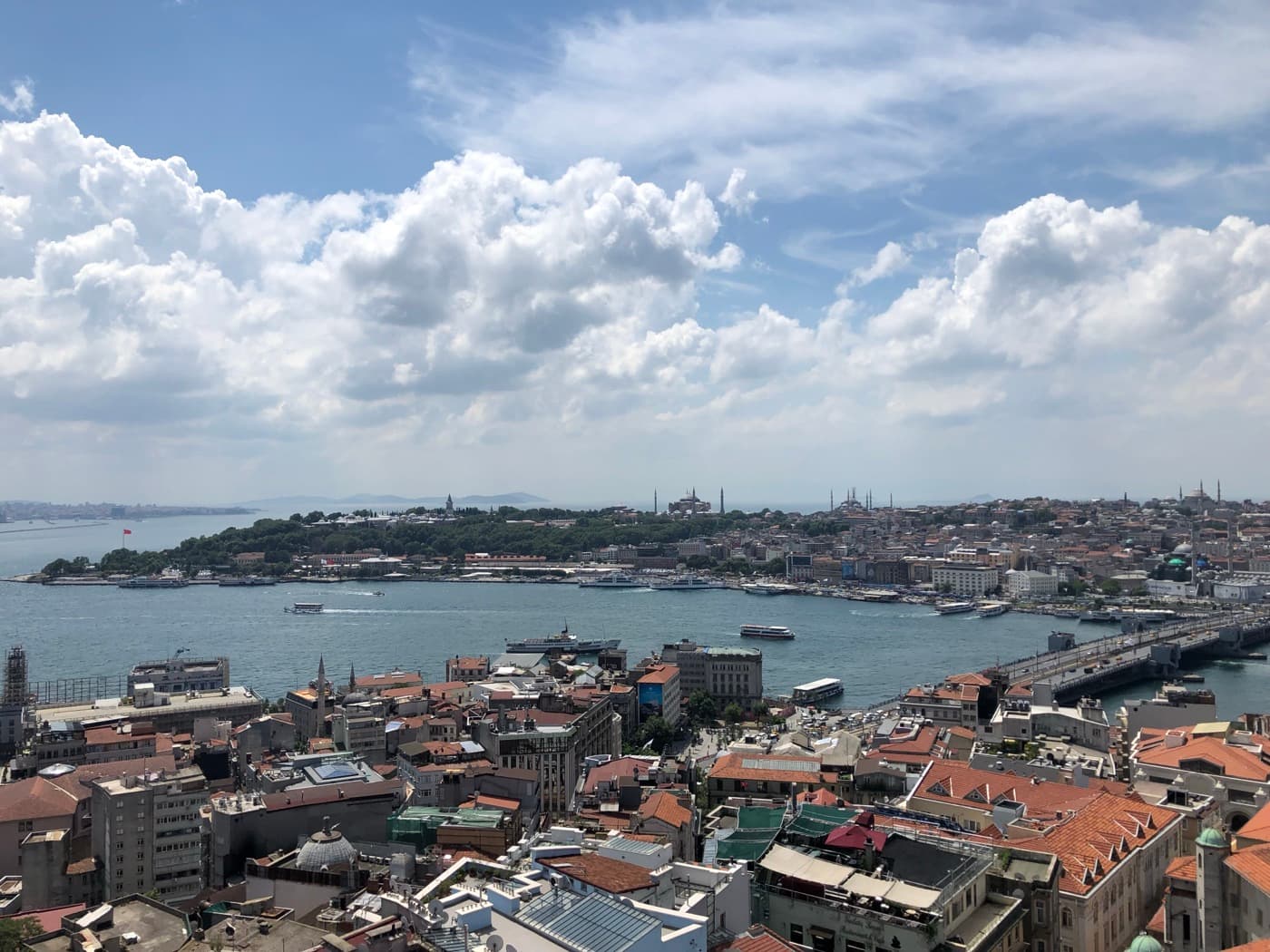
Few cities reward a visit quite like Istanbul. Spread across two continents and shaped by Roman, Byzantine and Ottoman history, it is a place where imperial mosques and ancient cisterns sit beside buzzing bazaars, waterfront cafes and some of the best food you will ever eat. For many of our patients, a trip to Istanbul is also a chance to combine treatment with a few unforgettable days of sightseeing — and the city makes that surprisingly easy.
This guide walks you through the essentials: when to go, how to get around, the sights you should not miss, the neighbourhoods worth wandering, what to eat, and how to fit gentle exploring around a treatment and recovery schedule. The goal is to help you enjoy Istanbul with confidence, whether you have two days or a full week.
When to Visit
Istanbul is a year-round city, but each season has its own character.
- Spring (April–May): Arguably the best time. Mild temperatures, blooming tulips in the parks, and smaller crowds than summer.
- Autumn (September–October): Warm but comfortable, with clear skies and pleasant evenings — ideal for walking.
- Summer (June–August): Hot and busy, with long days. Great for Bosphorus breezes and ferry rides, but expect crowds at the main sights.
- Winter (November–March): Cool, occasionally snowy, and atmospheric. Fewer tourists, lower prices, and a cosy feel in the city's tea houses and hammams.
If you are travelling for a procedure, the calmer shoulder seasons are particularly comfortable, as gentle sightseeing in mild weather is far easier during recovery than walking in peak summer heat.
Getting Around
Istanbul is large, but its public transport is modern, cheap and easy to navigate.
From the airport
The city has two airports: Istanbul Airport (IST) on the European side and Sabiha Gokcen (SAW) on the Asian side. Both are well connected by shuttle buses, metro and taxis. If you are on a medical-tourism package, your airport transfer is usually arranged for you, so a driver simply meets you on arrival.
Public transport
Buy an Istanbulkart, a rechargeable travel card that works on the metro, trams, buses, funiculars and ferries. It is inexpensive and saves money on every journey. The tram through the historic peninsula and the ferries across the Bosphorus are not only practical but also a lovely way to see the city.
Taxis and ride-hailing
Use official yellow taxis or a reputable ride-hailing app. Make sure the meter is running, or agree the fare in advance. Traffic can be heavy at peak times, so for longer journeys the metro or a ferry is often faster.
The Unmissable Sights
Most of Istanbul's headline attractions sit close together in the historic Sultanahmet district, which makes them easy to see on foot.
Hagia Sophia
One of the world's great buildings, Hagia Sophia has been a cathedral, a mosque, a museum and is once again a working mosque. Its vast dome and layered history make it the single most iconic structure in the city.
The Blue Mosque (Sultan Ahmed Mosque)
Directly facing Hagia Sophia, the Blue Mosque is famous for its cascading domes, six minarets and the thousands of blue Iznik tiles that give it its name. It remains an active place of worship, so visiting hours work around prayer times.
Topkapi Palace
Home to Ottoman sultans for centuries, Topkapi is a sprawling complex of courtyards, treasuries and pavilions with sweeping views over the Bosphorus. Allow a few hours to take it in properly.
Basilica Cistern
An atmospheric underground reservoir from the Byzantine era, supported by hundreds of columns and softly lit, the recently restored cistern is a cool, otherworldly escape from the busy streets above.
The Grand Bazaar and Spice Bazaar
The Grand Bazaar is one of the oldest and largest covered markets in the world, a labyrinth of thousands of shops selling carpets, jewellery, ceramics and lanterns. Nearby, the fragrant Spice Bazaar is the place for Turkish delight, teas, dried fruit and spices.
A Bosphorus cruise
No trip is complete without time on the water. A Bosphorus cruise — whether a short public ferry or a longer tour — glides you past waterfront palaces, wooden mansions, fortresses and the bridges that link Europe and Asia. Sunset sailings are especially memorable.
Neighbourhoods Worth Wandering
Beyond the monuments, Istanbul's real charm is in its neighbourhoods. Each has a distinct personality.
- Sultanahmet: The historic heart, where most of the major sights cluster. Grand, walkable and full of history.
- Beyoglu and Galata: Across the Golden Horn, this is the modern, creative side of the city. Climb the Galata Tower for one of the best panoramas, then explore the cafes, galleries and music shops around Istiklal Street.
- Karakoy: A stylish waterfront district known for specialty coffee, design studios and excellent restaurants.
- Kadikoy (Asian side): A short, scenic ferry ride away, Kadikoy offers a relaxed, local atmosphere with a brilliant food market and lively bars.
- Balat: Famous for its colourful houses, antique shops and photogenic streets — a wonderful place to wander with a camera.
- Ortakoy: A pretty waterside spot beneath the Bosphorus Bridge, known for its baroque mosque and weekend market.
What to Eat and Drink
Istanbul is a food lover's city, and eating well costs very little.
Turkish breakfast
A leisurely Turkish breakfast (kahvalti) is an experience in itself — a spread of cheeses, olives, tomatoes, cucumbers, jams, honey, eggs and fresh bread, served with endless glasses of tea. Set aside a slow morning for it.
Street food and classics
- Simit: A sesame-crusted bread ring, sold from carts everywhere — the perfect snack on the go.
- Balik ekmek: A grilled fish sandwich, best enjoyed by the water near the Galata Bridge.
- Kebabs and meze: From doner to rich Adana kebabs, and a vast array of small meze dishes to share.
- Baklava and Turkish delight: The famous sweets, ideal with a strong coffee.
Tea and Turkish coffee
Tea (cay) is the social glue of the city, served in small tulip-shaped glasses throughout the day. Turkish coffee, thick and aromatic, is brewed slowly and traditionally followed by a glass of water and a piece of Turkish delight.
Practical Tips
- Money: The currency is the Turkish lira. Cards are widely accepted, but carry some cash for markets, small cafes and tips. Change money at banks or reputable exchange offices.
- Connectivity: A local SIM or an eSIM keeps you online for maps and translation. Wi-Fi is common in hotels and cafes.
- Language: Turkish is the official language, but English is widely spoken in tourist areas, hotels and clinics. A few polite Turkish phrases are always appreciated.
- Mosque etiquette: Dress modestly to enter mosques — shoulders and knees covered, and a headscarf for women. Shoes come off at the entrance, and avoid prayer times.
- Tipping: A tip of around 10% is customary in restaurants for good service.
- Hammam: A traditional Turkish bath is a relaxing way to unwind — though if you are recovering from a procedure, check with your clinic on timing first.
Combining Sightseeing with Treatment and Recovery
Many of our patients build a short city break around their procedure, and Istanbul is well suited to it. The key is to plan gentle, low-effort activities for the days immediately after treatment.
- Keep early days relaxed: In the first day or two after a hair transplant or similar procedure, rest is best. A calm hotel and a quiet stroll are ideal.
- Choose low-impact sightseeing: A Bosphorus ferry, a gentle wander through a neighbourhood, or a cafe by the water are easy on your body while still giving you a real sense of the city.
- Protect yourself from the sun: After many procedures you will be advised to avoid direct sun and strenuous activity for a period — so a loose hat and shaded routes matter.
- Lean on your coordinator: Your medical-tourism coordinator can suggest comfortable options, arrange transfers, and make sure your sightseeing never clashes with your aftercare.
Always follow your clinic's specific aftercare advice. With a little planning, it is entirely possible to return home with both excellent results and wonderful memories of the city.
A Simple Three-Day Itinerary
- Day 1 — Historic peninsula: Hagia Sophia, the Blue Mosque and the Basilica Cistern in the morning, the Grand Bazaar in the afternoon, and dinner in Sultanahmet.
- Day 2 — Palaces and the water: Topkapi Palace in the morning, then a relaxed Bosphorus cruise in the afternoon, finishing with dinner in Karakoy.
- Day 3 — Modern Istanbul: Galata Tower and the streets of Beyoglu, a ferry to Kadikoy on the Asian side for lunch and its food market, then a sunset back across the water.
Plan Your Trip with Us
Istanbul rewards curiosity, and you do not need to choose between looking after yourself and enjoying the city. If you are planning treatment and would like to build in time to explore, send us your photos and questions on WhatsApp. Our team will put together a personalised plan — covering your procedure, accommodation, transfers and the practical details — with transparent pricing and no obligation, so you can travel informed, relaxed and ready to make the most of every day.
Get Free Hair Analysis from Doctors in Turkey
Send your hair photos on WhatsApp. Doctors will estimate grafts and cost for free.
WhatsApp Us Now