Is Turkiye Safe for Travel? A Practical Guide for Medical-Tourism Patients
An honest, balanced guide to travelling safely to Turkiye for treatment — destinations, sensible precautions, transport, healthcare quality, and how a medical-tourism package supports you.
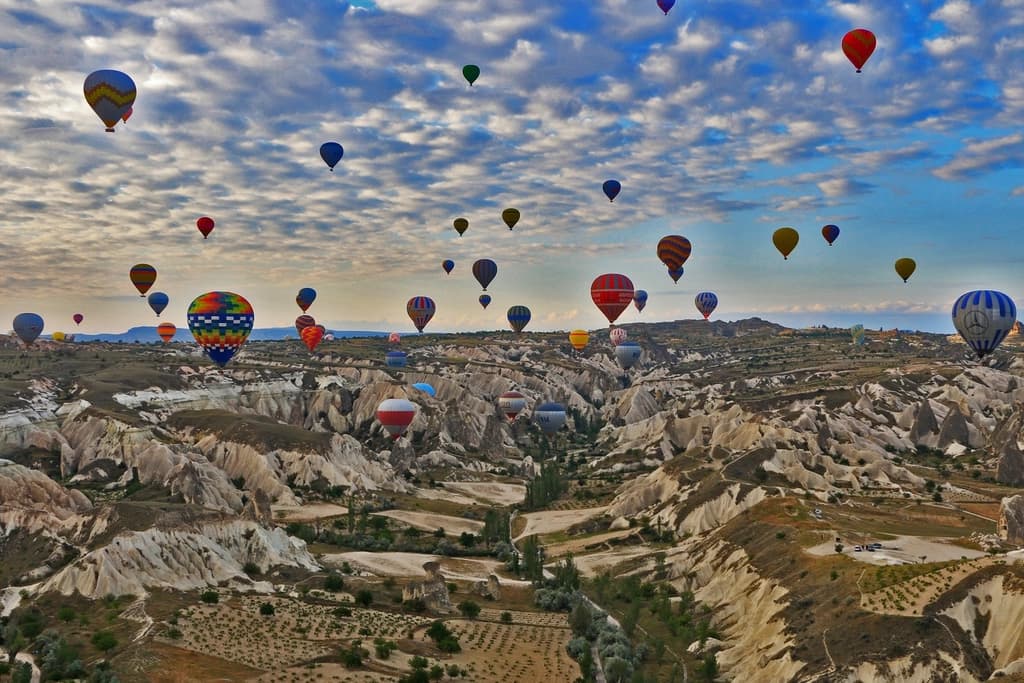
If you are planning a hair transplant or other medical treatment in Turkiye, one question almost certainly crosses your mind before you book: is it safe to travel there? It is a completely reasonable thing to ask, and you deserve an honest answer rather than empty reassurance. The short version is that Turkiye welcomes tens of millions of tourists every year, and the main tourist and medical destinations are generally considered safe and welcoming for visitors who take the same sensible precautions they would in any large country.
This guide gives you a balanced, practical overview — what to expect, what to be mindful of, and how a well-organised medical-tourism trip removes much of the stress. The aim is to help you travel informed and confident, not anxious.
Is Turkiye Generally Safe for Visitors?
Turkiye is one of the most visited countries in the world, with a long-established tourism industry and excellent infrastructure built around international travellers. The cities and coastal resorts that visitors frequent are accustomed to hosting people from every corner of the globe, and hospitality is a genuine point of cultural pride. Most visitors complete their trip without any problems at all.
That said, no destination is completely without risk, and Turkiye is a large and diverse country. Conditions can differ from one area to another, and travel advice can change over time. The single most useful thing you can do before booking is to check your own government's current travel advisory for Turkiye. These advisories are updated regularly and are specific to your nationality, so they give you the most accurate picture. Reading one is a normal part of responsible trip planning, not a reason for alarm.
The Main Destinations
Most medical and leisure travel is concentrated in a handful of well-developed areas, all of which are geared towards international visitors.
Istanbul
Istanbul is the country's largest city and the hub for medical tourism, with a vast number of accredited private hospitals and clinics. As with any major global city, the tourist and central districts are busy, lively, and well used to foreign visitors. Standard big-city awareness applies, particularly in crowded areas and on public transport.
Antalya and the Coast
Antalya and the wider Mediterranean coast are major holiday destinations known for resorts, beaches, and a relaxed pace. Many people choose to combine treatment with some recovery time by the sea. These areas are very experienced at looking after international guests.
Izmir and the Aegean
Izmir and the Aegean region offer a slightly calmer, more local feel while still providing excellent facilities and English-speaking services in tourist-facing businesses. It is a popular choice for those who prefer a quieter base.
Common-Sense Precautions
The precautions that keep you safe in Turkiye are the same ones you would use in any large, busy destination. None of them are unusual or onerous.
- Mind your belongings: Pickpocketing can happen in crowded tourist spots, markets, and on busy public transport. Keep valuables secure, carry bags in front of you in crowds, and do not leave phones unattended on café tables.
- Stay aware in nightlife areas: As anywhere, keep an eye on your drink, know your limits, and be cautious about invitations from strangers to unfamiliar venues.
- Keep emergency contacts handy: Save your clinic coordinator's number, your accommodation details, and local emergency numbers in your phone.
- Trust your instincts: If a situation feels off, simply remove yourself from it.
Getting Around and Transport
Turkiye has modern airports, extensive public transport, and widely available taxis and ride-hailing apps. A few simple habits make getting around smooth and worry-free.
- Use licensed or app-based taxis: Stick to official, registered taxis or a reputable ride-hailing app. Where a taxi uses a meter, make sure it is running; otherwise, agree the fare before you set off.
- Public transport is efficient: Metros, trams, and buses in the major cities are inexpensive and easy to use, with signage often available in English.
- Keep small cash for transport: Having local currency in small notes makes short journeys and tickets straightforward.
For medical-tourism patients, much of this is simply taken care of for you, as we explain below.
What a Medical-Tourism Trip Actually Looks Like
This is where travelling for treatment differs greatly from travelling independently — and why it tends to feel reassuringly organised. A reputable package is designed so that you are looked after from the moment you land to the moment you fly home.
- Airport VIP pickup: A driver meets you on arrival, so you are never left working out transport in an unfamiliar airport after a flight.
- Hotel accommodation: Comfortable, vetted accommodation is arranged as part of the package, usually close to the clinic.
- Clinic transfers: All transfers between your hotel and the clinic for your procedure and follow-up appointments are handled for you.
- A dedicated coordinator: A local coordinator, typically multilingual, is available throughout your stay to answer questions, help with anything unexpected, and act as your point of contact.
Because the logistics are managed end to end, you spend far less time navigating a new country alone. That structure removes much of the stress and adds a genuine layer of support and safety, which is one of the main reasons organised medical travel feels so much easier than going it alone.
Healthcare and Medical Care Quality
Turkiye has invested heavily in private healthcare, and the quality of care in accredited private hospitals is high. Many facilities hold international accreditation, use modern equipment, and employ experienced, internationally trained medical teams. This is precisely why the country has become a leading destination for treatments ranging from hair restoration to dentistry and beyond.
Even so, sensible preparation matters. We strongly recommend arranging travel insurance suited to your trip, and disclosing your full medical history honestly during your consultation so your care can be planned safely. As with any procedure anywhere, no responsible provider can promise guaranteed outcomes, but choosing accredited facilities and following your aftercare instructions gives you the best possible footing.
Money and Avoiding Scams
Turkiye is largely a card-friendly country, but a little awareness around money keeps things smooth.
- Use official channels to change money: Change currency at banks, reputable exchange offices, or use ATMs attached to banks. Avoid unofficial street money changers offering rates that seem too good to be true.
- Check prices before you buy: In markets and tourist areas, confirm the price first. Friendly haggling is part of the culture in bazaars, but agree the figure before committing.
- Keep an eye on your card: Use ATMs in well-lit, busy locations and keep your card in sight when paying.
- Beware overly pushy offers: Politely decline strangers who insist on guiding you somewhere or pressure you into a purchase.
Solo and Female Travellers
Plenty of people, including solo travellers and women travelling alone, visit Turkiye each year and have a positive experience. The usual sensible habits apply: share your itinerary with someone at home, keep your accommodation and coordinator details to hand, prefer licensed transport at night, and dress comfortably while being mindful that some religious sites ask for modest clothing such as covered shoulders and a headscarf for women.
For medical-tourism patients, having a coordinator and pre-arranged transfers is particularly reassuring if you are travelling on your own, as you always have a local point of contact and are rarely left to navigate unfamiliar situations unaccompanied.
Language and Communication
The official language is Turkish, but English is widely spoken in hotels, clinics, tourist areas, and by staff who work with international visitors. In a medical-tourism setting, your coordinator and clinic team will communicate with you in your language. For day-to-day situations, a translation app and a few polite Turkish phrases go a long way and are always warmly received.
Practical Pre-Trip Checklist
A little preparation makes everything calmer. Before you travel, take care of the following.
- Check your government's current travel advisory for Turkiye, as it is nationality-specific and kept up to date.
- Arrange travel insurance appropriate for your trip and circumstances.
- Confirm passport validity and any entry requirements well in advance, including whether you need a visa.
- Keep copies of key documents — passport, insurance, booking confirmations, and clinic details — both printed and saved securely online.
- Save important numbers including your coordinator, accommodation, and local emergency services.
- Note your medications and bring enough for your stay, with a copy of any prescriptions.
Talk to Us and Plan with Confidence
Travelling for treatment should feel exciting and well supported, not daunting. With sensible precautions, an up-to-date check of your own travel advisory, and a properly organised package that handles your pickup, hotel, and clinic transfers, the vast majority of patients find the experience smooth and comfortable.
If you would like a personalised plan, send us your photos on WhatsApp for a free, no-obligation analysis. Our team will assess your case, explain exactly how your trip would work from arrival to departure, and give you transparent pricing with no hidden costs — so you can decide feeling fully informed and at ease.
Get Free Hair Analysis from Doctors in Turkey
Send your hair photos on WhatsApp. Doctors will estimate grafts and cost for free.
WhatsApp Us Now